Partograph
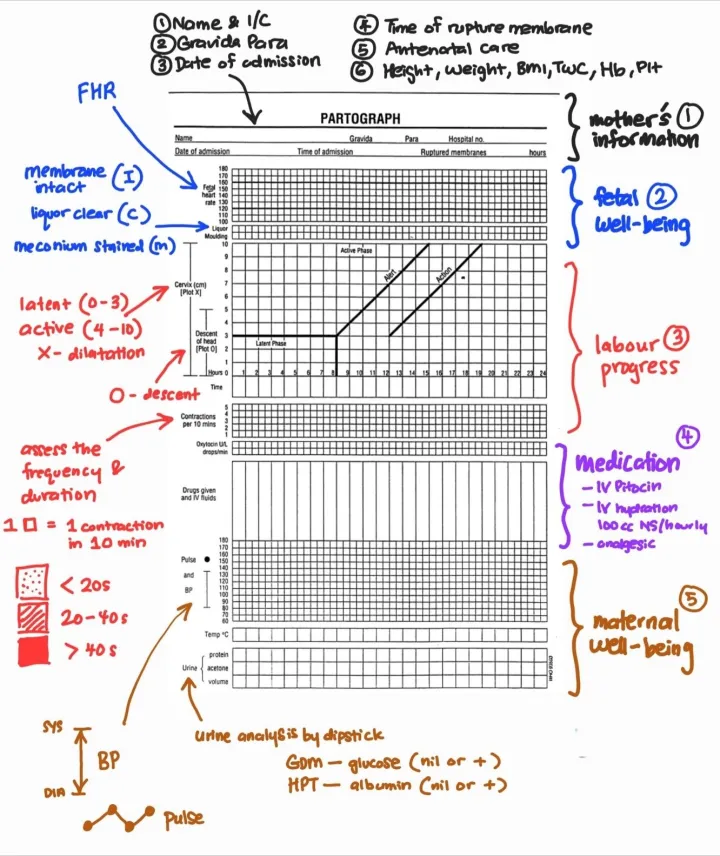
A partograph (partogram) is a graphical tool used in obstetrics to monitor the progress of labor and the condition of both the mother and the fetus.
Definition
A partograph is a chart on which key data during labor such as cervical dilatation, fetal heart rate, uterine contractions, and maternal vital signs are recorded over time to assess whether labor is progressing normally.
Importance of Partograph
- Detects prolonged labor early
- Prevents maternal and fetal complications
- Helps timely referral/intervention
- Reduces obstructed labor
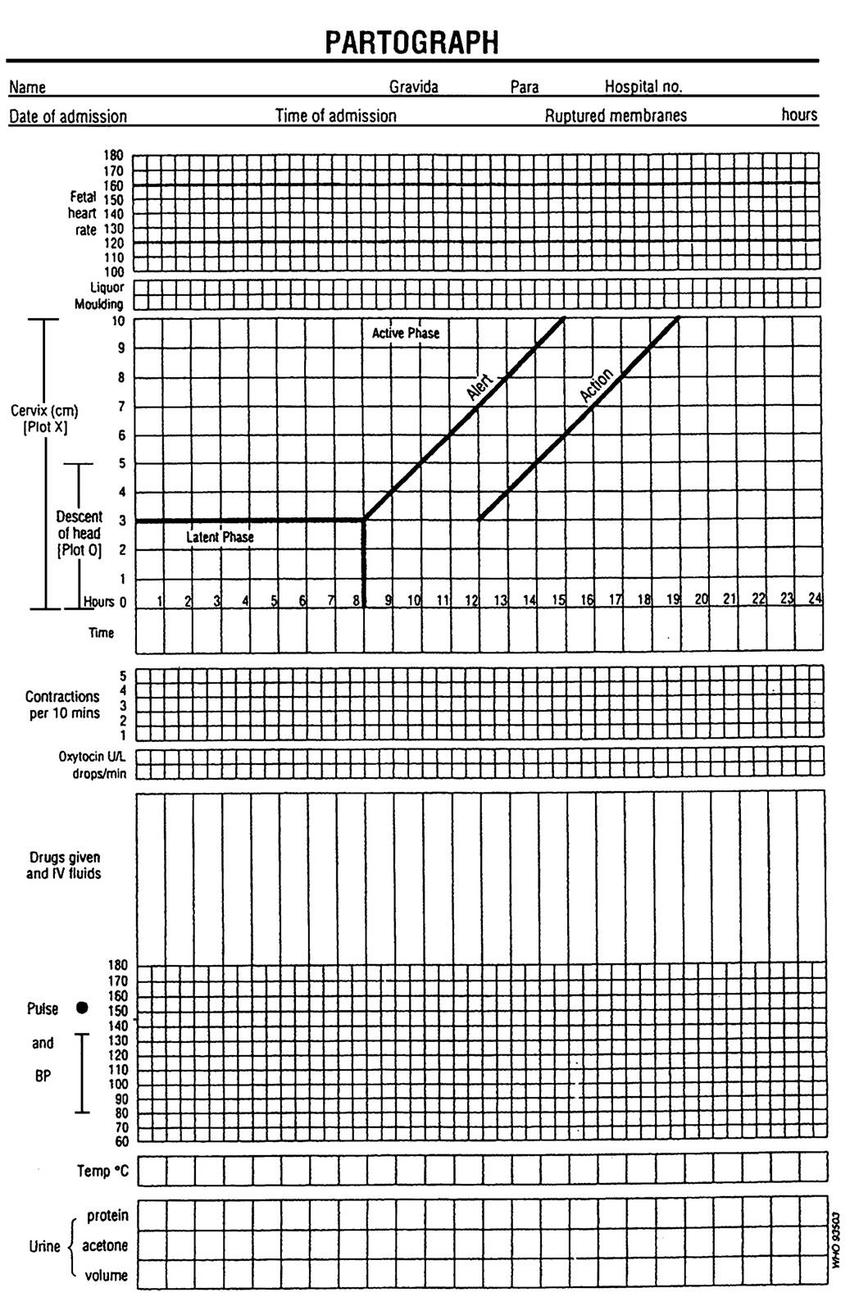
A labour partograph is divided into three main sections:
1. Fetal Condition-This section monitors the baby’s wellbeing during labor.
a) Fetal Heart Rate (FHR)
- Recorded every 30 minutes
- Normal: 110–160 beats/minute
- Helps detect fetal distress
b) Liquor (Amniotic Fluid)-Recorded after rupture of membranes.
Symbols commonly used:-
- I = Membranes intact
- C = Clear liquor
- M= Meconium stained
- B = Blood stained
- A= Absent liquor
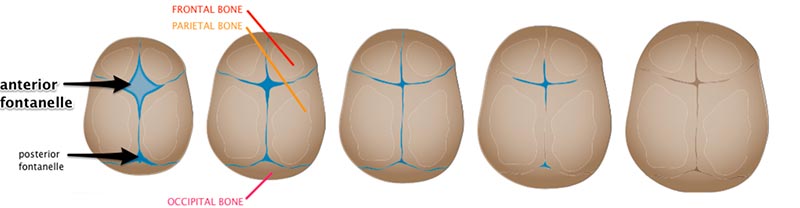
c) Moulding of Fetal Skull-Shows overlapping of fetal skull bones.
Grading:-
- 0 = Bones separated
- + = Bones touching
- ++ = Overlapping reducible
- +++ = Severe overlapping
2. Progress of Labour
This is the most important part of the partograph.
a) Cervical Dilatation
- Measured in centimeters (0–10 cm)
- Plotted against time
Normal labor progress is usually about:
(illustrates approximately 1 cm cervical dilatation per hour)
A. Alert Line
- Starts at 4 cm dilatation
- Indicates expected normal progress
B. Action Line
- Drawn 4 hours to the right of alert line
- Crossing it suggests need for intervention
b) Descent of Fetal Head
- Measured abdominally in fifths palpable
- Indicates how the baby moves down the birth canal
c) Uterine Contractions-Recorded every 30 minutes.
Observed for:-
- Frequency in 10 minutes
- Duration of contractions
Shading indicates duration:
- Dots = <20 sec
- Lines = 20–40 sec
- Solid shading = >40 sec
3. Maternal Condition-Monitors the mother’s health.
a) Pulse-Recorded every 30 minutes
b) Blood Pressure
- Recorded every 4 hours
c) Temperature
- Recorded every 4 hours
d) Urine Examination
Checks:-
- Volume
- Protein
- Ketones
- Acetone
e) Drugs and IV Fluids
- Oxytocin
- IV fluids
- Medicines given during labor